Subscribe
Share
Share
Embed
Ducks Unlimited Podcast is a constant discussion of all things waterfowl; from in-depth hunting tips and tactics, to waterfowl biology, research, science, and habitat updates. The DU Podcast is the go-to resource for waterfowl hunters and conservationists. Ducks Unlimited is the world's leader in wetlands conservation.
The following episode of the DU podcast features a video component. For the full experience, visit the Ducks Unlimited channel on YouTube. Subscribe and enjoy.
VO:Can we do a mic check, please? Everybody, welcome back to the Ducks Unlimited podcast. I'm your host, doctor Mike Brazier.
VO:I'm your host, Katie Burke.
VO:I'm your host, doctor Jared Hemphon. And I'm your host, Matt Harrison.
VO:Welcome to the Ducks Unlimited podcast, the only podcast about all things waterfowl. From hunting insights to science based discussions about ducks, geese, and issues affecting waterfowl and wetlands conservation in North America. The DU podcast, sponsored by Purina Pro Plan, the official performance dog food of Ducks Unlimited. Purina Pro Plan, always advancing. Also proudly sponsored by Bird Dog Whiskey and Cocktails.
VO:Whether you're winding down with your best friend or celebrating with your favorite crew, Bird Dog brings award winning flavor to every moment. Enjoy responsibly.
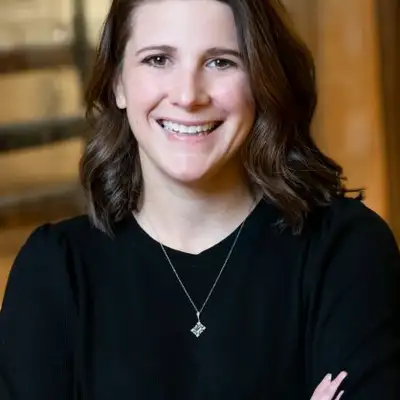
Katie Burke:Hi, everybody. Welcome to the Ducks Unlimited podcast. I'm your host, Katie Burke. And today, I have the privilege of being in the home of carver Mark McNair. Welcome to the show, Mark.
Mark McNair:Thank you very much, Katie. It's wonderful to have you here.
Katie Burke:Thank you. As I say, thank you for having me here. It's really nice to be here. This is one of my favorite things since I've been coming. We talked just a minute before about Easton Waterfowl Festival, but I started doing this three years ago where I come to the festival, and then I go all live right here.
Katie Burke:I to go around everyone's houses and shops and Yeah. Kinda it's kinda become my favorite thing to do with the podcast.
Mark McNair:So Oh, isn't that nice?
Katie Burke:Yeah. It's so much different. You know, normally, we're in our studio, which is, you know, set up like a studio. It's pretty stale like compared to being in people's being where the magic happens so to say. And we get to actually, you know, kinda get a feel for what it's like to be in your head a little bit.
Katie Burke:I like it's just and it's nice to see places I've never been before. Like, the visitor can't the viewer can't see it, but I get to see the marsh right out here, which is really nice.
Mark McNair:Nice way to start and finish the day and have and fill in too. So Yeah.
Katie Burke:Because I was here for Easton, and we just talked a little bit about Easton. But when did you okay. So Easton's only it's coming up on, like, its fifty fifth anniversary or something like that. Yeah. So when did you first learn about Easton?
Mark McNair:Well, I heard about a decoy show. I had no idea there were anything like that going on. I've been carving for about a couple years, and someone told me I should go. Went to a a little decoy show at a VFW hall, and met some really interesting people, and they talked about Easton, which was brand new at the time, which unknown to me, they thought you should go. Well, I decided I'd just wing it.
Mark McNair:So I lived in Connecticut, threw a sleeping bag in the back of the car, and made sure I had enough money for gas to get home. It was really forward thinking. Because I didn't know if I would sell anything.
Katie Burke:Right.
Mark McNair:So And drove down there, and there was snow on the ground and geese everywhere. It was really really really exciting. And I met some really interesting people, sold some decoys, and so I was like, wow. This is so this is so exciting. It's so brand new.
Mark McNair:And these these guys said to me, so where are you staying? And I said, I got a sleeping bag. And I go, if you don't mind sleeping on the floor, you can you can bunk with us. So that was my first trip to Easton, and it was absolutely wonderful. But but going this was fifty fifty years plus.
Mark McNair:Yeah. And it's gone to these ebbs and flows and stuff like that. You know, people come, people go, and things move around. And I thought this year and a number of other people said the same thing. This year just had a really terrific vibe about it, and part of it was new for me was that Steve O'Brien and my son Colin with Copley Fine Arts had set up a display at the Art Academy, which is always this little entity sort of like over on the edge of the edge of town, on the other side of the armory and and the tree.
Katie Burke:It's kinda off in the corner at the end of the street. Yeah.
Mark McNair:I kinda didn't know where it was for years. It's very low key. It's this pleasant building, but this Easton's full of those. So anyhow, they set up this terrific display of birds that they had coming up for sale, and what was particularly wonderful was this Milton Wyler collection.
Katie Burke:Oh, that's wonderful.
Mark McNair:Wasn't it though?
Katie Burke:I did not know what to expect. So I will say this, so it's Tim Peterson who has his geese are in my museum right now and which you came down for. And I knew he I mean, I assumed I just knowing him that what he collects that it was going to be good, but I did not I had no idea about the Milton Wyler, the paintings. I had no idea that, I mean, I should when I walked in, immediately knew. Was like, oh, that's this this is very tim.
Katie Burke:This is aesthetic.
Mark McNair:Did you say very tim?
Katie Burke:Yes. He has a very particular aesthetic, and I was like, oh, this is very much screams him, but, yeah, I mean, it was I was very pleasantly surprised when I walked in that room.
Mark McNair:And it was
Katie Burke:It was wonderful.
Mark McNair:It was wonderful. One wonderful of things about it too, there was a steady stream of people there
Katie Burke:Oh, that's lovely.
Mark McNair:Day after day after day after day. And it was so that was that was fun. When I said about ebb and flow, you just never know who's gonna show up this year, and a lot of it's weather dependent.
Katie Burke:And it was beautiful Yeah.
Mark McNair:And it was. And there was this terrific exhibit, and we had well, I spent a lot of time there. I I did a what I refer to as my dog and pony show. Yeah. Can you come and do a carving demonstration?
Mark McNair:And I I build it around the idea of sort of the alchemist workshop. Yeah. We have wood over here, and we have finished decoys over here, and I bring birds that are transitioning to to show people how it happens. And I understand it. My friends like Cameron and Grace and Chesser understand it because this is what they do.
Mark McNair:But a lot of people see they only see the finished piece, and they come and they see they see a photograph of it, or now they see something in real life. But to show people how the how it transitioned and and enables to answer a lot of able to answer a lot of questions that they have. Do you hollow them, and what kind of tool do you use for this? And so I brought those, and I brought this I have this wonderful workbench, and we Colin suggested I bring a nice rug. So we've got this old Bukara.
Katie Burke:I saw that. I was wondering where that
Mark McNair:came Yeah. It's a little frumpy on the edge, so it's kind of, you know, it it it fits. And, it it it framed the space, and we had a wonderful time. We had people come and sit down and and, you know, a few dozen at a time, and and it was it was terrific. We're gonna do it again.
Katie Burke:Oh, good. I'm glad. I'm and you know, I think about that too, like, with you doing that, I mean, obviously a lot of people enjoy seeing the process and everything, but like, even, like, because there's so many families and kids walking through too Yeah. It kinda makes it a I know it's still a long way to go to get to what you do, obviously, but it does offer some a bit of accessibility, like, this is a thing you can do Yes. If you in which I've because when people see the finish, it almost looks like to yeah.
Katie Burke:I I can't do that.
Mark McNair:Yeah. Or it came out of it came from Amazon
Katie Burke:or Right. Something. But, like, when you find out someone, like, carved and painted that, you're like, oh, I could never do something like that. That's incredible. But when you can see those pieces along the way, it does kind of offer some accessibility, which is really nice.
Mark McNair:It was. My both my boys are very, very competent carvers. And they not because I told them they had to be, but they grew up with it. And Ian's children, who are eight, six, and for the little three year old isn't doing much, but the other girls are very competent making things. Not make carving decoys per se, but actually using hand tools and and helping in the studio, and they have a real interest in it.
Mark McNair:And it it's become accessible to them as it was to the boys and other people. You just never know how you're gonna affect somebody. When they see something, they go, I really want to do that, and now I see I there's there's a doorway in there. I can if I have this tool and this wood and put it together like this, I can start fashioning something that's in my own mind.
Katie Burke:Yeah. No. It makes sense. Like, especially like, I've talked about this before, but and it I just know for myself when I watch my kids, but and also I like coach kids and things, and like, when someone tells you you're good at something for the first time when you're a kid, it has such a big impact on you. Like, your parents can tell you you're good at things and they just goes right over your head, but when another person tells you you're good at something, it really can impact you and change kind of where you go with your life.
Mark McNair:I can attest to that.
Katie Burke:Yeah? How so?
Mark McNair:Well, I had a lot of I did do this in a vacuum. I had to change myself, but I was influenced by people that I encountered, and if they were doing something I was fascinated with, I I would say there's a lot of people that were very generous with their time, not just to decoy carving, but boat building and furniture and painting, and I had a wonderful painting teacher when I was very young. I was in a in a class with adults on a Sunday afternoon, and she let me come in there when I was 11. And what a great environment. Mean, to be around adults. I mean, it was terrific affirmation.
Mark McNair:She and I remained friends on for the rest of her life, and she was a big influence on me. And very very encouraging, but she didn't she didn't go around and go, oh, that's wonderful. That's nice. She would come up behind me and go pull the brush out of my hand and tell me pull out another brush and and fix things, but but show you you know, that's something that's so important about learning how to, you know, to well, keep it with carving decoys. I really wanna do it, but I don't know how to start.
Mark McNair:Yeah. Here's how you start. You say you lay this, you start with an idea, and you lay it out with a pencil. You draw things out, and you work things out, and then you cut it out, and then you go to a point like, I don't know what to do next. And then you have for me, I have to figure it out.
Mark McNair:But I have places I can go to. I have things I can look at because I've been doing it for a long time. But when I was younger, and I'll use my art teacher, Madeleine Shar, I would just what do I do next? And she would show me. She'd show me how to mix a color, and you're bringing this terra vera, and this would change this particular tone of the white of it.
Katie Burke:Oh, yeah. You find out there's so many there's so many whites in particular.
Katie Burke:Nothing's worse than painting something white.
Mark McNair:And yeah. I agree. But the big challenge was painting a glass with water in it. Yeah. And I remember sitting there I said, how how do I do this?
Mark McNair:And and she says, you just paint what you see. I go, oh, there's a challenge, you know, for a 12, 13 year old or something like that. So I started doing it. I started painting the light coming through the window, coming through the glass, and and I just started painting it. And looks and when I get stuck, she'd help me out and everything.
Mark McNair:And when it was done, it's a glass with water. And it was just like, wow. This is so cool. Yeah. So But but the thing about you asked about encouraging and other people and and both peers and grown ups other than your parents.
Mark McNair:My parents always encouraged me. Yeah. But I had I did have a lot of reinforcement
Katie Burke:and Yeah.
Mark McNair:Big help.
Katie Burke:So where did you grow up?
Mark McNair:I grew up in Guilford, Connecticut Okay. Which is on the shoreline right on Long Island Sound on the shoreline in Connecticut. Oh, about fifteen, twenty miles east of New Haven. And it was a quiet agricultural town settled in like the sixteen twenties, and it's still was full of houses from that period. And so I grew up around old buildings, old architecture, old finishes, old paint, and it always appealed to me.
Mark McNair:Came to me very very naturally. And then I was very much influenced by Eric Sloan, who was a very fine painter, but he did a lot of I guess you could call it almost like missionary work of introducing wood and tool. He had a book called Reverence of Wood, and and one about early American tools, and he wrote this little novelette called it A Diary of an Early American Boy. And he showed how people did things in colonial times, and I just thought it was absolutely fascinating. Beautiful penanic drawings which really appealed to me, and I think that was I think set the tone for the way I approach life, where you're sitting at a chair that I made.
Mark McNair:I made it with help.
Katie Burke:Oh, yeah?
Mark McNair:I made well, I made, yeah, I made it with a chair maker. It's a
Katie Burke:barbarian air chair.
Mark McNair:With a chair maker because I go, John, what do I do next? And go and because it's like it's almost like a Chinese puzzle how you put this together. And there's there's a thousand places where you could, you know, go off the charts. But, yeah, I built this one and I built that one, and I finished them like this because I wanted to finish my and I have a friend who's a cabinet maker who put all this together from sketches of it. But you can, I don't know, you can see the colors of the colors that we chose for this, the colors of the walls that we chose, and
Katie Burke:Everything's an art piece?
Mark McNair:And it, you know, it just I like things to look sort of hopefully, they look like, oh, it was inevitable.
Katie Burke:Yeah. So and so were you always drawing and like you're always art kind of going that way?
Mark McNair:Yes. I draw less now than I did. Yeah. I don't know why. If I can figure that out, I'll I might change things, but yes.
Mark McNair:When I was little, as far back as I can remember, always true. Always true. True. True. True.
Mark McNair:And I found out something very interesting from my mother. Very late in life, I was thanking my mother for always kinda supporting me and finding me the art teacher, and she says, well, was sister Francis de Sales. Sister Francis de Sales. She was the principal of a parochial school that I went to for a couple years in fourth and fifth grade. She was the disciplinarian principal.
Mark McNair:Yeah. We had the young novitiate nuns, they were young and very sweet, everything, but sister Francis de Sales, you knew. Yeah. So I didn't have that was my relationship with her. And it turns out that sister Francis de Sales suggested to my mother that she she find me art lessons because she saw that in me.
Mark McNair:And I wish she was still here.
Katie Burke:You're right.
Mark McNair:And I could thank her. Yeah. Because that meeting, those art lessons with Madeleine Shar changed my life. As you get to the those next epiphanies and and people that changed your life. And
Katie Burke:Yeah. So yes.
Mark McNair:It's that long answer. Did I always roll?
Katie Burke:Yes. Of those too. I have one of those too. Her name was Carol Rourke, and she was a local artist that my mom found, and, yeah, without her, I would've I wouldn't be here. So, like, it just very much changed my she gave me the confidence to go that direction.
Katie Burke:Yes. And I grew up in a small town where people didn't know artists. Like, that was not it is a, you know, southern agricultural town that wasn't really that was impractical. Right?
Mark McNair:See, that was the nice thing about Guilford, Connecticut. It was the most looked special looking back on it. Yeah. It's the most eclectic place. Yeah.
Mark McNair:It was had people like her and architects and very interesting and and also people who worked on the water. There was, you know, lobstermen and and and oystermen and down at the sluice and boat builders, and guys that that Yale professors. And these are these are my my classmates and friends, you know, fathers and mothers. And so and Guilford was was pretty pretty wonderful like that.
Katie Burke:So where did you go next after learning from her? What happens next in your what what gets you to eventually seeing decoys? I'm sure there's a few stops along the way.
Mark McNair:There's a few stops. Like, everybody's got the yeah. It was, like, uranium exploration work in Wyoming for a summer.
Katie Burke:Oh, yeah.
Mark McNair:Without getting there's lots and lots of little vignettes and little stories, big stories and stuff. But I found myself working for a silk screener in Madison, Connecticut, which is a town next to Guilford. And I was kinda floating. I was 21, and I really didn't know what I wanted to do. I was kinda maybe dreaming of going to California and building furniture and living in a tree house north of San Francisco or something like that.
Mark McNair:There was a lot there was a lot of that going on at the time. There was lot of that in the air, you know. And so I was working it was a little silkscreen shop shop, and we were doing stuff by hand and and met some nice people there. And this woman who was did some design work. And she would come by in a few days a week, she was dressed for work, you know, in a in a nice dress and neatly attired and all.
Mark McNair:And she would work on her designs. And one day I'm walking by and I was humming a song, and she goes, oh, I know that song. I go, oh. And she goes, oh, yeah. That's that's a Youngblood song.
Mark McNair:I went, how does a how does a woman in her fifties Yeah.
Katie Burke:Right. Look you know. You know, song like that. And she said, well, Banana was at my house last week picking up a guitar. I go, holy smokes. How does what is But then I was the lead guitar player for, you you know, us.
Mark McNair:This is this is just a story here. So anyhow, we started the conversation. We became friends, and I went to visit her. And she lived in a beautiful, very old home, Old Lime, Connecticut, which is Martha's hometown. And I was after the visit, she goes, you know, if you're looking for a place to live, I would love to have somebody move in here.
Mark McNair:It would be great to have another heartbeat down the hall. Her children, her grown up, and so she's living there alone. I went, this is like a dream. See, it's just the view out here. Yeah.
Mark McNair:It was a a beaver meadow out there and State Forest, and she was an artist. She was a sculptor. Her husband was a sculptor, and both her children were artists. And they they had shelf with things like this, and and so it's like, what an incredible environment. And she knew people like that.
Mark McNair:The man who lived across the street was Walker Evans, the photographer. And her one of her dear friends was Henry Christ, who was a sculptor and professor I don't remember, Yale. Anyway, she just knew this whole amazing world of people. So I moved up there thinking I was gonna stay this summer. Yeah.
Mark McNair:And autumn came and just
Katie Burke:To stay?
Mark McNair:Yes. Seek no further. And I stayed there for, you know, till I met Martha five years later.
Katie Burke:Oh, wow.
Mark McNair:And that was my my grad school of decoys. Her son carved decoys. Her husband, Clark Voorhees, had carved decoys. Carved the he's known very much for his whales.
Katie Burke:Yes.
Mark McNair:But what they did for me, and this is important, they connected old decoys with contemporary art, sort of very much like Henry Moore. And I'm a young guy. I'm still very much a neophyte student. And I knew who Henry Moore was, and I'd seen those big pieces, some of the big pieces that he'd done, the the female forms and bronze and large public things. And so I'm just listening to her about how you connect how you connect ancient things with modern things and the transitions and all that, and it all started percolating in my mind.
Mark McNair:And then Clark had and she and Clark, because I think they worked very much in tandem. Even if he was doing this, they had this a relationship. I'm sure they did because she had that effect on me of gently gently criticizing. Yeah. And what you need.
Mark McNair:You know, you don't need somebody to go, that's wonderful.
Katie Burke:No. I was just interviewing you're very I was just interviewing Jim Hoffman, you know, the The painter. Yeah. So he always wins the duck stamp and everything, and he has his two brothers who also are very successful.
Mark McNair:Yeah. When one doesn't win, the other does. But they're
Katie Burke:really good. They are. They're very good. And he spoke about that as well. Like, the he credits a lot of their success for having the three of them together, being able to talk and criticize each other openly in a way that, you know, that they they all listen to.
Katie Burke:And he's like, if we didn't have each other, basically he basically said like, we would not have had this success. It's very much a team effort in a lot of ways, just the way they think about art and each other's art, they know each other's stuff very well. And it just I was like, that's so important to have someone that will criticize you because a lot of people will be scared to criticize people and give critique.
Mark McNair:And maybe their their criticism doesn't necessarily hold weight because a lot of times when we criticize someone, it doesn't appeal to me.
Katie Burke:Right.
Mark McNair:So I this discussion last weekend about an artist that does not appeal to me. I just don't care what he does Yeah. And others that I'm very passionate about.
Katie Burke:Well, there's always gonna be artists you like and things you don't like, and artists is very subjective too.
Mark McNair:My father-in-law, Pat Roberts, just says it's like neckties. So that's where that's where I began all this, and I I carved for several years. I was also making furniture, and I was working for these antique dealers, and they had a really great shop in Essex, Connecticut. And I had a job doing restoration work on some cigar store Indians. So I had an opportunity to look at terrific, well vetted pieces of folk art on polychromed, because they're using a lot of those terms.
Mark McNair:And it was also that period of time when that flowering of American folk art was going on, and there's these books. One was titled out and another book, but American folk art was just exploding at the time. So there's this great In fact, we were watching a movie called But Laurel Canyon, and the musicians were out there in the sixties and that which we talk about feeding on one another and sharing sharing sharing sharing. And Tim Usland was no longer with us, was there, and Tim was like a big brother to me and mentoring me. And there were other people that were like that, so just helping me and encouraging me and introducing me to people.
Mark McNair:And again, I I'm self taught, but I certainly cannot do it all on my own. Yeah. So
Katie Burke:No. And I I think, you know, the more I hear these stories from carvers and artists and particularly carvers and I'd say carvers and call makers alike, the people along the way, like, this people who are successful really took information and learned from people, watched people. I mean Yep. We were just talking about because I interviewed Oliver Tutz Lawson and hearing his stories, like, sit just sitting in the shop with the Ward brothers. I mean, he learned how to carve just sitting next to them.
Mark McNair:Yeah. When he was young.
Katie Burke:Yeah. Not all of us could be that lucky. But that's it's allowing people in is such a big part of this tradition that it's kind of a special thing in this for decoy carving, this ability to allow people in and let people be there with you while you do it. I mean, you've done it with your family, which is so lovely. Now you have little girls doing it.
Mark McNair:Who knows where they'll take it? But they know but they know how to they know how to
Katie Burke:They can make things out of wood.
Mark McNair:They can they know how to make things out of the wood in their their and they're in their dad's shop all the time. They got their little workbench, and he's he's a very good teacher. I've watched him teach other people, and he's very good at explaining things. And we teach a course. We do it for fun.
Mark McNair:We have these friends that live on Spring Island in South Carolina, and they asked us if we wanted to come down and teach a course sometime. And I went, okay. We're just real fun. They're gonna comp they're gonna put us up. They're gonna feed us.
Mark McNair:We we had such a good time. Yeah. And this, what are we gonna do next year? So we go down. It's a terrific working vacation with people that we really, really, really enjoy.
Mark McNair:So and so I get a chance to to teach with Ian, and I learn a lot from him because he's he's younger. His brain is functioning maybe at a higher seriously, at a higher level than mine. And and, you know
Katie Burke:He's probably experimenting a little more than he than he's than you are now.
Mark McNair:Brings new things into it. Yeah. Well, we were just together for a little bit up at up at Easton, and he's has a business called High and Dry, where they make the waiters and outdoor gear and stuff. But he's now networked with all these other guys that are involved in all kinds of conservation projects and and and just basically the same tribe Yeah. Doing the same kind of thing.
Mark McNair:It's just it's it's wonderful. Just just just see it all. Know? I know. I have
Katie Burke:some questions for him. Boy, I'll talk about that later about that. But anyway, yeah, it's when I listen to that when I listen to y'all talk about that and that sharing and as well as like when you have by having that community, like I'm sure you did early on, when you came across a problem, you had someone to talk about it with. Like you weren't just sitting there, like you had someone to discuss it through and try to work through a problem. Like, well, I think I can solve it this way, but maybe they had a way to solve it as well.
Katie Burke:And or just seeing them come up having problems as well is so helpful.
Mark McNair:Well, it keeps you it keeps you fresh. You know, when I was just there at Easton, I got to I spent a lot of time in that room, and it was full of absolutely fabulous decoys. Not all of them were terrific, and some just like neckties and all, but there were some birds that were just absolutely spectacular things. Just what how did different people, you know, assemble the wood? And so if if if you can't pick up something new, this whole thing could just sort of personally.
Mark McNair:And I, you know, I can I could see the keeping we also heard David Crosby talk about that in in in music and everything? You think about his career, just all the beautiful music that he wrote with all these different people, and just always doing something new. And his reference was if I stayed doing this, it would just and rotate, and I can relate to it. Yeah. Because I used to think people was gonna, are you gonna keep doing this?
Mark McNair:Like, so long as it's interesting and challenging? Yeah. Yeah. Yeah. And I I still find it so.
Katie Burke:And you've been doing it for a while now, so I feel like it's been working.
Mark McNair:Yeah. And like, again, we're talking about Ian, like, just being around Ian or being around Cameron. You know, Cameron is just always he's really deep.
Katie Burke:Oh, he is. Yes. Deep.
Mark McNair:Deep. And then you got a guy like Grayson Chester. He carves in a different way and everything, but Grayson Chester, he's like he's like Mark Twain or or or Will Rogers. I mean, the stuff that he, you know, puts together and expresses things, it's just it's just we just did a little thing here on the shore just recently. It's called Meet the Carvers.
Mark McNair:Okay. There's just a lot of carvers here
Katie Burke:on shore. Yeah. There's a ton. Yeah. Which I love.
Mark McNair:Yeah. And they have the barrier island centers, our little local cultural museum, and it's because the barrier islands off the coast here used to have little communities, and one of the most famous was Cobb Island. Cobb's hotel out there, the sportsman's paradise, and the it's all that's gone. Because the islands move.
Katie Burke:Right.
Mark McNair:And where the town used to be is gone. But a lot of those buildings came back to the mainland. They they jacked them up, rolled them off onto onto oyster monitors, and and floated them
Katie Burke:to the Yeah. Was all main famous pictures of like the waves coming up into the Yeah.
Mark McNair:But it's just a great wonderful wonderful history. And anyhow, the Barrier Island Center is a is a What's the word I'm looking for? It's a museum full of all this, and they have It's a very old building, and it's people It's it's been very nice because a lot of people whose grandparents there's still a few people alive that were born out on Hog Island, you know, in the twenties and thirties. But there's a lot of people whose you know, their dads, moms, and everything, their grandparents lived out there, and they still have all these artifacts. And this is a place to put it all together, recreate the whole story.
Mark McNair:And once a it's it's a terrific organization. Once a year, they put together this thing called Meet the Carvers, and they invite about 12 of us. And we this year, we met in what was the old coast guard station on Hog Island, which has been like lovingly stay brought from the island, parked out just outside of Oyster, Virginia, and beautifully, like, stabilized and then and restored. So it's this big open space, and we had this we had a great evening. So anyhow, it's where there's it was all of our buddies, and we didn't get a chance to share too much.
Mark McNair:Yeah. But just little snippets of this and that and the other and and and encouraging one another.
Katie Burke:Yeah. I'm sure it's inspiring too to be around each Yeah.
Mark McNair:Yeah. And I think it was great for some of the some of the the guys who haven't been doing it all that long. You get to see what somebody's been doing it for a while and be able to pass things on and answer questions, and it's just it's it's nice.
Katie Burke:Yeah. Alright. Let's take a quick break, and we'll be right back.
Mark McNair:Happy to.
VO:Stay tuned to the Ducks Unlimited podcast, sponsored by Purina Pro Plan and Bird Dog Whiskey after these messages.
Katie Burke:So I'm here with Mark, McNair in his home. And you had mentioned before we kinda went off on a little bit of tangent, so you're in Connecticut up until what point? When do you come down? Because you obviously live and we're in Virginia right now in your home.
Mark McNair:Indeed. And I've lived most of my life here.
Katie Burke:Yeah. So at what point you did mention earlier in your career you went and visited Easton, Maryland,
Mark McNair:which is
Katie Burke:not far from here. So at what point do you move down the coast to?
Mark McNair:Well, the first time I came here to the Eastern Shore was a winter of I'm gonna guess it was probably maybe '73. And it started snowing, and it snowed, and then it took a break, and then it snowed on top of the snow, and snowed on top of the snow. And I've been busy, busy, busy. And where we lived, when it's it was very rural. There were Billy Voorhees house.
Mark McNair:And, you know, the snow it's beautiful. It was it was beautiful. But if somebody was out, you shopped for something you got milk or bread or beer or whatever you
Katie Burke:Whatever it was. The necessities.
Mark McNair:The necessities of life. Yeah. And it was the middle of winter, and I've been working very hard and stuff, and there was kind of a a it was February, and it was I liked the winter. Don't get me wrong or anything. I liked being out on the ice and and I liked being in the woods, and it was gorgeous.
Mark McNair:But I decided to take a trip. So I I had a car at the time, and I drove down I drove down to the highway, Route 95, the Connecticut And then I had friends to the North and I had friends to the South. You know, some up in Providence and Boston and others down in Washington DC, and I said, if I go to if I go south, it'll probably get warmer. I'll say, I'll I'll I'll do
Katie Burke:that. How that works.
Mark McNair:It'd it'd have been, like, six weeks of every morning. It was like I'd wake up and Billy go, brr. It's cold. And I said, what? Like, what?
Mark McNair:She goes, like, five. And I'd go, above or below? She goes, below. It was it was fine. It's
Katie Burke:Yeah. I mean, I'm from Mississippi. You can't convince me that the snow is gray. So
Mark McNair:I get it. It was beautiful. If when you would dress for it and embrace it, it's absolutely wonderful. So I just I just wanted to go out and visit. So I drove down to Washington DC and visited a couple of friends there, and I'm not ready to go home yet.
Mark McNair:So I had my mother had Christmas time had given me a book by Adele Ernest called The Art of the Decoy for which I'll always be thankful that there weren't 40 decoy books at the time. Yeah. There was only a handful. I mean, literally that many.
Katie Burke:Yeah. Was like, I'm pretty sure we could name them.
Mark McNair:And yeah. And this one to me is it's still the best in so many ways because it's really clean and it's insightful, and she has this she has an artist eye and the approach that I worked for me. Yeah. So she's talking about different places, and I heard about Cobb Island. I didn't hear about Cobb Island, but I saw a Cobb Decoy, and it appealed to me.
Mark McNair:I didn't know they were from Cape Cod originally. You know, was Cob Islands off of coast of Virginia. They sailed down there. So I said, I'll just wander down, and I just kind of wandered and wandered and wandered. Here it is February, and I get down to Northampton County, and the grass is starting to grow on the the the rye grass.
Mark McNair:And there's tractors in the field and they're cutting the land up getting ready to plant potatoes. And I went, what a completely different world. So I get off of Route 13, which is not very busy
Katie Burke:Right.
Mark McNair:In February. And I get off onto the seaside road, and there's nobody there except an occasional pickup truck and a tractor pulling a plow. And I get off on another little teeny tiny road, and then I take this little spur and I come down to a place where my that would become very familiar to me later on, because a friend of mine lives there. And I come down to those spur ants, and there's an oyster shed there and a landing, and there's shells all over the place, and it's Mockorn Bay, and there's Mockorn Island, and there's barely a zephyr of wind, and the water is so still, and the light is beautiful. And there were brant all out in the in the bay, and they're all talking to each other.
Mark McNair:I can't do it. Grayson can. Grayson Grayson could turn all their heads like
Katie Burke:this. Yeah.
Mark McNair:The way he'd cackle like that or that that little twirl. And I went, this is absolutely beautiful. And I kinda just tucked it in my garden of memories that this would be a nice place to come back to. And I had feelings like that for Cape Cod and the East End Of Long Island, which were which I had visited from, I don't know, early age. And they're rural and beautiful and water creating a lot of the environment.
Mark McNair:And so went back home, and then I kinda knew it was and then I came down to a couple of decoy shows, and so I was getting kind of familiar with the area. But I'm still living in Old Lyme at Billy Vory's house and really didn't have any reason to leave except I was getting a little older. And I was 26, and I went to a New Year's Eve party at a friend's house, and I'd been invited to a few New Year's Eve parties. But this one I was I accepted the invitation first, and it was down the hill. Yeah.
Mark McNair:So I could get there and I could I could get home. And I went with a couple of friends, and I met this beautiful young gal there who went walking by in front of me, and I just was absolutely captivated. And it turned out to be I was yeah, I was very shy. I waited a few days to find out who she was.
Katie Burke:Oh, that's so cute. Yeah.
Mark McNair:And I called my friend Beth, and I beat around the bush, and I finally got out of who that was, and so I found out with Martha. I called her, and we went out, and then we went out the next day, and we went out the next day, and then we took a little break. And then
Katie Burke:Such a
Mark McNair:strange went to another, we were we were married that fall Yeah. And we moved to Virginia.
Katie Burke:So yeah. So did you you got you moved to Virginia right after you got married or close to assume?
Mark McNair:Yeah.
Katie Burke:Because she was fine with that. Guessing you were fine with that. Yeah. Yeah.
Mark McNair:Yeah. We actually moved to the mountains, lived out lived North Of Roanoke
Katie Burke:Okay.
Mark McNair:And for a little less than a couple of years. And you
Katie Burke:were were you carving full time? Yeah. Okay.
Mark McNair:Oh, yeah. That was another thing. It was kind of there was just the there was a lot of things that all kinda conjoined at the same time. I was I was carving signs and I had a I could do that full time. Yeah.
Mark McNair:I was there was a lot of boats there, a lot of yachts, and they needed and they needed woodwork. And I was also playing in a band, and we were getting pretty successful and busy all the time. And I was working for this these antique dealers, Hastings House, and there was always plenty of work for me to do there. And I was carving decoys, and it was each one of these things was filling up forty hours a week. Yeah.
Mark McNair:And I was looks like I was younger and I had the energy to do it, but it was getting pretty thin. But the decoy thing was actually getting some real traction, and I I I had a lot of people that were I realized were becoming my patrons Mhmm. As well as mentors, and and I'd go to a show, and it I I would sell on out by the end of the by the time I packed up. And again, meeting lots of new people, so it was really starting to go, I think I can actually make a living at this. And then I met Martha, and then we moved, and then it was really now I'm really in the crucible.
Mark McNair:Yeah. Because I'm not working for Hastings House, and I'm I'm not I've left the band, and I've left all the other things that I had. It's just us living at a the end of a dirt road in a farmhouse, and I took an old I think it was a smokehouse or something and turned it into a little workshop. Yeah. And it worked out beautifully.
Katie Burke:So, yeah, you didn't have kids. You had kids after you had moved, so you didn't have kids in your kids, you were born here. Right? Were your kids born here?
Mark McNair:Yes. Okay. Yeah. We lived there for a while, and then we needed to find our own home. Yeah.
Mark McNair:We were living at someone else's house, and it was it was fine. It was a transition. And we were both drawn here. Was drawn here. She knew I was drawn here, and she was she was fine with it.
Mark McNair:So we ended up moving. We we drove out here. We came out here. Circumstances just unfolded very it was supposed
Katie Burke:As they do. Yeah.
Mark McNair:There was inevitability about it, and we found a house, and it was really easy. It was very easy to do. Her dad helped us, like, you need to do this, this, and this, and help you out. We put down like I recall it being like a $15 in earnest money on the house to hold it for ninety days. It sounds crazy, but anyhow, we bought a house in a in a soybean field, an old farmhouse, but it was really doable.
Mark McNair:It was great. And there was a little workshop out and back, and the guy that we bought it from became one of our dearest friends and helped make all of this possible. Yeah. The most interesting guy. And so we lived there for a few years, and then Martha said one day, we moved to the shore to be on the water.
Mark McNair:And she said, we're living in a soybean field, and we could do that anywhere.
Katie Burke:Well, technically, you got some soybeans right out here.
Mark McNair:I saw cut them today.
Katie Burke:Yes. I saw them.
Mark McNair:We got soybeans out here, and we've got water.
Katie Burke:So you didn't leave the soybeans. You also got water. Yeah.
Mark McNair:And what we really wanted was just a just a few acres so we could have a little privacy, a garden, and an access to the water. Yeah. And I didn't have a 40 foot sailboat that drew eight feet or something like that. So Martha said at this point, she said, if you don't mind, I'm going to look around for a piece of land. And I said, please do.
Mark McNair:Go for it. So she started the search, and then one thing led to another to another to another. And how we ended up coming here was because it was the end of the day, and we went we're just we're just we didn't didn't see whatever. And the real estate agent said, there's this great place I want you to see. And we go, oh, okay.
Mark McNair:And the kids were really little. They and they were born here on the shore, but they were both very little, three and year and a half. And it was our our oldest daughter. And and I said, so where is it? And she said, it's in Craddockville.
Mark McNair:And I said, where's that? And she showed me on the map in the office. I said, great. It's on the way home. We'll go take a look at it.
Mark McNair:It was easier to say yes rather than go, no. We're not gonna go look at it.
Katie Burke:It's Yeah. I'm tired. We don't feel like a fucking yes.
Mark McNair:We got we drove down here, and I'm speaking for Martha, that she said she said she had this feeling, I'm gonna be coming here And we got down here and we went, oh my goodness. The house was a shambles, but the property was beautiful. And has this little island out here, and the the the really cool thing was the children got to this little hill, and they started rolling down the hill, and then they come back up to the hill, and then they roll down again. And they're just having so much fun, and we walked across the marsh out to the island, and we went I went, what a great place for children to grow up. I said, if this is if this happens, wouldn't it be wonderful?
Mark McNair:And it happened. Yeah. Sort of unfolded as a as a Yeah.
Katie Burke:Know, timing. Sometimes life has timing that you can't really
Mark McNair:Doesn't it? Isn't it though? I mean, it really it really is, and there's just a lot of lot of inevitability and and serendipity about it. So
Katie Burke:So I wanna ask since when you got here well, not here, but here to the Eastern Shore after being in Connecticut, because obviously Connecticut decoys and the Voorhees have a style and a type of decoy. How did the Eastern Shore change your decoys? And did it? Like, what what about the area inspired you once you were
Mark McNair:here and as an artist? That's an interesting question, and you're not the first person to ask that. And when I first moved here, people often said to me, well, you must have moved here because of all the decoy carvers or the Yeah.
Katie Burke:But environment can also be I mean, I just was at Cameron McIntyre's and I know that the environment is very much a part of his He is what he looks at, yeah, every
Mark McNair:He's very much a part of the environment. Yes. And he being a painter, I mean, he is
Katie Burke:what So Yeah. I'm sure this property and where you've lived has inspired you in ways that you may not
Mark McNair:Yes. Yes. I I my I think my inspiration generally comes from other cultures.
Katie Burke:Mhmm. Okay. Rather
Mark McNair:than I think I can kinda speak for Grayson. Grayson is a very much a product of being a a serious serious duck hunter. He knows so much, and it goes it's just his whole life. And the man who had a great influence on him when he was young had an influence on the way Grayson carved decoys. He's created his own style out of it, but you can you can you can trace it back through there.
Mark McNair:Just like the wards, you can trace their their birds back to that that Crissfield style Yep. Of their their father and their uncles and, you know, the dices and things like that. I always found the cob decoys incredibly appealing. When I was flipping through that book, the Dale Earnest book, and I've came across a Cobb curlew, and I just want it just man, it just resonated with me. I said that's the way that should look, and then I came across here's the there's the bird on the cover of that Ring of Wonder.
Mark McNair:Here. Grab it. That
Katie Burke:Yeah. The Peterson. It's in my museum right now.
Mark McNair:I was just gonna say, when I walked in walked into the museum and saw that, it was the first bird, this one right here.
Katie Burke:Yeah. So but it would fold out. But yeah.
Mark McNair:Well, you could just flip it. Oh. You got a camera
Katie Burke:right Yeah. Got a camera
Mark McNair:right here. Yeah. That book was in there and I just want my client. That is that just speaks to me. Everything about it.
Mark McNair:Just the the form, the surface. I love Yeah. That. The love
Katie Burke:The surface. Do it justice, but when you see it in person. Yeah.
Mark McNair:Oh my golly. Oh, yeah. Well, at the time but growing up in Connecticut, the first people I met were guys that were collecting Connecticut decoys. And Connecticut in Connecticut, that's Stratford Right. Right on the Milford Hoosatonic River There's lot of in Connecticut.
Mark McNair:And there's
Katie Burke:There's great Connecticut decoys. Yes.
Mark McNair:These things are they're like they're like the BMWs of the decoy world. I mean, like, you know, Albert Lang was there at at the very beginning. It was like the, you know, the at the beginning. Yeah. And and then from him, Ben Holmes, and then and then Shang Wheeler, and then all the other, I'll call them the minor carvers, but those are the those are the triumphant.
Mark McNair:And the the beautiful Shang Wheeler goose had just sold at that auction. Everybody was talking about it because it brought more than a brand new BMW would have cost you at the time. And so I was very much influenced by those birds, but I'm taking all this other stuff in from Adele's book. You know, that Sumerian duck weight, that really appeals to to me. Yeah.
Mark McNair:You know, I still do things like that. And if you look around some of the old decoys that I've
Katie Burke:you
Mark McNair:know, there's a lot of the simplicity of that to me is tied into that Sumerian duckweed. And I'll use this as an example. Just the the sort of the etymology of this bird, it's a shang wheeler.
Katie Burke:Yeah. Okay.
Mark McNair:But shang wheeler didn't do this, but I did this because I met a guy who lived collected Delaware decoys. And he had these beautiful blares, and I'd seen blare
Katie Burke:paint Blares. Yeah. Yeah.
Mark McNair:I know
Katie Burke:something. I mean, it's
Mark McNair:just a there's a little blare up here with absolutely no paint on it.
Katie Burke:Oh, up there? Yeah.
Mark McNair:Yeah. We opened a top shelf. And it'd be nice if it was painted, but it doesn't need any paint.
Katie Burke:That's No. The form of a blare
Mark McNair:is It's so so sweet. So I here, I'm I'm looking at Shang Wheeler, and I've I'm but I'm trying to make my own bird. Shang Wheeler already made this. Yeah. So and that was very important to me in the beginning to not to be go, oh, yeah.
Mark McNair:He made a Wheeler or made a Holmes or something. And I was doing that because I was trying to teach myself how to do things. I'm really starting from scratch. Yeah. You know, I'm starting with I didn't have a bandsaw.
Mark McNair:I had a a hatchet and then I had some some wood. So I took the wheeler and I saw the Blair and I saw some Dawson paint jobs and I saw John English Yeah. Deep voice in the Delaware River. And I went, that's so cool. All those Delaware guys with these raised wings.
Mark McNair:So I clumsily did some, and then I turned it into my own, and I think there's a little bit of the way Cobb there's a little bit of that sweep underneath there. Just just little things, and I kept I would borrow things from people when we're talking about how do you solve a problem. Yeah. I go, how do I do? And they go, oh, if I do this and then resolve this like this, what am I gonna do for the tail?
Mark McNair:I really wanted to put a sprigtail in there. Yeah. So I used a piece of white oak or locust. So it's pretty tough.
Katie Burke:I wouldn't do that. I'm glad you did that.
Mark McNair:And but so that's let's say, I used the word etymology, but that's the origin of this of this bird. Why is it two part construction? And I carried it over into the same kind of thing in this wood duck. I did the wood duck the way this was a Colin McNair challenge. He said, I was making some wood ducks.
Mark McNair:He said, pop, you ever think of making one on a standing wood?
Katie Burke:A standing wood duck.
Mark McNair:Yeah. And I thought, no, but I've seen them
Katie Burke:Oh, yeah.
Mark McNair:And would not be fun. And so that's how that came about. But I like I like very simple
Katie Burke:I like it.
Mark McNair:I think this bird would look terrific with no paint. And a lot, you'll see some of my things here don't have any paint because I think the paint would kind of take away from the form and or distract from the form I should say. And that's something you have to think about. I think about it when I'm painting something. Am I am I going to distract from the form?
Mark McNair:Or am I going to enhance the form? Because when you're carving, you're creating a canvas on which you're gonna you're creating a four dimensional surface on which you're gonna put something that's two dimensional that's gonna create the illusion of it being three-dimensional. You're gonna make this interesting surface that is gonna draw. You want people to be drawn. You want the duck to be drawn to it, but you want people to be drawn to a form, and you want them to be drawn to the color.
Mark McNair:And whether you're sitting where you're sitting and looking at that bird, or I'm sitting and looking at that bird, I wanna be absorbed into it, and I wanna be intrigued by it. And when I get around here, instead of leaving it, I wanna be drawn back because there's something interesting happening over here, and there's a there's a rhythm and a pattern to these and a staccato to this that kinda slows you down as you go into this curve. And there's something interesting and compelling about the softness of what happens here and no distractions that you bring around and go, you know what I mean?
Katie Burke:Yeah. No. I know think
Mark McNair:about this the whole time. I'm I'm carving. I'm creating an an interesting surface as simple as this or as complex as this, and then and then how am I gonna how am I gonna paint it?
Katie Burke:Yeah. Well, basically ruining it. Well, that's so that's the next question I have is, like, this I mean, we were just at Cameron, so it it's top of mind, but he had in his shop, he had, like, a whole pile of discarded heads that he was like, I hated them, But I didn't get rid of them because they might serve a purpose later or inspire me to solve a problem later. And does that happen to you as well? Like, while you're like, say, okay, I have an idea for a bird or an inspiration and you get along the way and you're like, I don't like it.
Katie Burke:Like you just do you do you keep at it or do you move to something else? Or how does that how does that process look for you?
Mark McNair:It's a really interesting question because you you encounter it all the time. Yeah. And initially, I always tried to salvage something because I didn't want the wood to go to waste. It's just I have a respect for wood. Yeah.
Mark McNair:I just love looking at a piece of wood and thinking about its history, where it came from. Those cob decoys, you know, there were spars off of ships. Yep. And that ship, we don't know, but that's very likely was a piece of Eastern white pine, and very likely its origin was in New England on a on the trade, but it might have been on a clipper ship that went around Cape Horn that lost its spars and was
Katie Burke:It's just history in itself.
Mark McNair:Yeah. Was yeah. It was rerigged in San Francisco, so that's actually these are Douglas fir or something like that. Yeah. There's I can't remember.
Mark McNair:Was it was Moby Dick or the the one the book about the whale ship Essex that they and they talk about putting spare spars on the ships when they would take off because, you know, the spars would break. Yeah. You know? Was just so and if they break, how are gonna put up your sails? So they would carry these spare spars.
Mark McNair:What was in one of I can't remember which one. Doesn't make any difference because the story is not unique. They were whaling in the Pacific and in a storm and lost their spars and rigging and were respired in Japan.
Katie Burke:Yeah.
Mark McNair:Oh, I don't think that was Eastern White Pine.
Katie Burke:Right.
Mark McNair:But it might very well have made its way back around Cape Horn and, you know, stopped off at, you know, Vero De Janeiro or something, maybe in Havana, and then lost a spar or a spar was discarded off the coast here and washed up on Cobb Island. Right. And became that
Katie Burke:Agoose decoy.
Mark McNair:That goose decoy or that that buffalo, You know, agustecoy, a brant, a a, you know,
Katie Burke:black duck
Mark McNair:and a short bird down at the end. And you just never and I have I have some very old wood that was, like, buried in a in a swamp. And I don't know if it was buried 500 ago before Veranzano sailed up the coast here. And now it got washed out, and I don't I like to treat it with respect. So I do that with all wood.
Mark McNair:Some wood is not gonna make the cut, you know. Some wood is like Yeah. You know, it's the ends and stuff like that. But if I could salvage something, but going making this a simpler answer, sometimes you just gotta walk away. You're wasting your time trying to solve this problem, but maybe the problem solving came about in the fact that you just resolved resigned yourself to like, I did this wrong.
Mark McNair:I should've anticipated this. I should've taken more time. I should've this this is the wrong matchup or something. This isn't working. And I remember the first time I threw something in the wood stove, and it was so liberating.
Mark McNair:It was like I just I guess this is this is this is really bad, and it's sort of like, you know, a writer. You just rip you rip it up. You discard it.
Katie Burke:And you allowed yourself to be bad.
Mark McNair:I allowed myself to take it. I said, this is absolute trash and it's not salvageable.
Katie Burke:I That's okay.
Mark McNair:And I just needed to throw it away. And I threw it away, and it was like phew.
Katie Burke:Yeah. You know? And then you let yourself move to something else.
Mark McNair:Move to something else. Yeah. But it but part of this the problem solving in there is also I was I remember getting to a point where I was like working all the time all the time all the time. I was always carving stuff, and I would draw something, and I knew I knew what it looked like in my mind. So I'd draw it on in a piece of wood and everything, and then I'd cut it out.
Mark McNair:In the transfer of the the mental image, which I like to think was rather precise, drawing it on the on the piece of wood, it's a little sketchy. Yeah. Then you cut it out on the bandsaw, and you're thinking about, well, when I finish putting this together, I'm gonna get a cup of coffee or review about lunchtime. So I'm cutting it on the bandsaw. That's not quite as precise or the bandsaw blade wasn't as maybe as sharp as it was, so you lose something else in the in that transition.
Mark McNair:And then you start cutting it out, and you go like, this doesn't really look as good as my sketch, and it doesn't nearly look as good as what's going on in my head. And I stopped. I said to myself, who's in charge here? Yeah. I've gotta I have got to take control of this.
Mark McNair:So the next time I cut, and I think it was one of those birds that I think I maybe just discard it. And next time I did it, I was very, very careful about drawing the line and bringing this back. You're like, you know, I was very deliberate when I when I did this. I didn't do this to see what it would come out like. But I think I was gotten to a point where I was doing things and I would see how they came out.
Katie Burke:Instead of, like, knowing what you want.
Mark McNair:I know what I want this to look like, and I'm not gonna do it any other way. And I I kept that bird as a as a reminder, and I'm still satisfied with it today. Yeah. And and that was an that was an important moment. Yeah.
Mark McNair:Just just don't, you know, just don't whack them out. You know? You just it's Yeah. You know, quality of life. You know, I I think I I think I picked that up.
Mark McNair:I think I probably think I picked it up from people talking about this type of thing, but I remember reading it in A Movable Feast when Hemingway is talking about his his writing process and how he deliberately started in the morning and he quit at 02:00. And it wasn't about and I've read this about other writers. Sometimes writers would go like, I'm gonna write 200 words today, or I'm gonna write till 02:00, or I'm gonna write But they all have their own different techniques. But I remember Hemingway talking about how each word was so carefully crafted that to to fit precisely in the rhythm of the picture that he was painting. And as he recognized today as one of the great twentieth century writers, one of the and I can and I and I when I read that, yeah, and you get it's it's a quality of of life.
Mark McNair:It's your life. So
Katie Burke:Yeah. It's your work, and you you are the toughest critic.
Mark McNair:You should be.
Katie Burke:Yeah. I used to say, I I've met a bunch of y'all, and y'all are sometimes you're like, oh, I don't like that one, and I'm like, how okay. Like, it's great. Know what I'm gonna be saying.
Mark McNair:So cares, and I think it's sort that's sort of something you have to accept too. Yeah. That, you know, Paul Simon said one man's ceiling is another man's floor. Yeah. And so how far do you wanna go?
Mark McNair:If you have if you if you can think about it, if you can conceive of it, and you can go someplace else, well then go. And with David Crosby talking musically and just, you know, moving on. It's one of the things I I so admire about Cameron that he's just continues to grow and just full of full of surprises.
Katie Burke:Just And see, I got to see his paintings saying they were it's special to finally see his paintings in person. I never saw them in person before. Well, before you, I was gonna think I had one more question. Let me think of what it was. Now at this point, I mean, you've done so much.
Katie Burke:I mean, you don't even know how many decoys you've made, I'm guessing. There's no way to know.
Mark McNair:I don't know. No.
Katie Burke:And there's so many and No.
Mark McNair:It's a lot.
Katie Burke:Actually, I do have my last question.
Mark McNair:Massive number.
Katie Burke:I have a question that is relevant to now. That swan this weekend. Yeah. Wow. That was impressive.
Katie Burke:Oh, wow. Thank you. Went for very a lot of money. Were you surprised? Or yeah.
Katie Burke:I mean, when did you make that? How long ago was that?
Mark McNair:You know, there's a little story behind it. If let me get the book down. Bobby Richardson said, every decoy needs a story. Well, he's just finished making more. This book, Three Centuries of Connecticut Folk Art.
Katie Burke:Okay.
Mark McNair:And it came out, think, in like '70
Katie Burke:I was like, I don't know I don't know this book and I I
Mark McNair:Most people wouldn't. It was a small publication. It was put together, organized by the Art Resources Council of Connecticut by a woman named Alexandra Grave. She was a friend of a friend of mine who was a man who was copyright 1979. So it was right after the the centennial.
Mark McNair:Yeah. And my friend, I met him at a decoy show, which is a good reason that you get out and go find somebody that has something on their table that you're interested in and strike up a conversation. I'll find it. It's in here. She put this coordinated putting this book together, and it was exhibited in New Haven.
Mark McNair:Here we go.
Katie Burke:Yep. There you go.
Mark McNair:My friend's name was Dixon Berkt. He was about ten years older than me and which made him an adult with a real job. And he befriended he became like a big brother. He really looked after me and kind of like Mark, you know, it's serious. We had a lot of fun together.
Mark McNair:And we he we went hunting together. He taught me how to hunt. And I had made this swan the koi.
Katie Burke:Yeah.
Mark McNair:I had met a man who had a who was a cut timber, and I went to his his mill, and I had got this log, and I split it just like I was doing it, and made this bird. And I kept it, but I made another one like it, and ended up Dixon ended up with it. And so Dixon's had it on a dining room table for years. And Dixon is he's he's de acquisitioning. Yeah.
Mark McNair:There's a lot of people do.
Katie Burke:As people do. Yeah.
Mark McNair:And so that's that was the that's the the origin of the original one, and Dixon had another one. And there's a couple of and we kept that one, and I was gonna keep it forever till we found this house and became became part of the down payment. Yes. I go, I'll make another one. I did.
Mark McNair:I made another one. And that was Dixon's. So so the there's another one that I and I thought that might be the one you're referring to that I had over at the at the Art Academy Yeah. Which is Hollow. Mhmm.
Katie Burke:I saw that one
Mark McNair:as well. I like to think I like to think it's more wonderful and more elegant because not not to criticize the other one, but I like to think that
Katie Burke:what I Well, you know how y'all are.
Mark McNair:You you like to want this one to be better than the last one so that you're on on your go.
Katie Burke:Yeah. No. I saw that, and I was wondering we talked about I talked to Oliver yesterday about that Ted Pintel that went for so much money, the Ward Brother Pintel. I was like, you know, I was like, what's it like for you to see these things that you made and whatever you sold it to him as to begin with or gave it to him, what who knows what you sold it to, but then to go for this kind of money, like, is it how does that feel? Can you can you take that?
Katie Burke:Can you like see your stuff appreciate in that way?
Mark McNair:I'm stunned.
Katie Burke:Yeah. Okay.
Mark McNair:I'm I'm really no. I'm I'm very pleased and
Katie Burke:I'm Yeah. Yeah.
Mark McNair:I'm very honored that the the world out there responds to it that It's just it's it's I did I was just always so happy I was able to make a living at this. I mean, here I am. I'm past retirement age. I'm not retired, but I'm you know, I've been able to do this my entire adult life. I was when I moved to Billy Voorhees, I was 21.
Mark McNair:I was had this little job, and I had a week's vacation coming. And so I had a whole week up there at Billy's house. And again, was an environment like this. It was just it was just beautiful. And there was this workshop where Clark had worked, and Billy had worked, and her and her son had worked, and they were even after they took everything, there were still tools there and still pieces of of of wood and everything.
Mark McNair:Said, don't think I I don't think I really wanna go back to the silkscreen shop. It was a nice job. The boss was great. And but I thought this this is maybe an opportunity to do something this summer, which turned out to be The
Katie Burke:rest of your
Mark McNair:life. The five years, which turned out to be the rest the rest of my life but I never really until I just before I met Martha, I started to realize I think I think I could I think I might be able to pull this off.
Katie Burke:Yeah. And and
Mark McNair:I did.
Katie Burke:You did.
Mark McNair:And you know what? With a lot of her help, I don't mean to embarrass her, but she's we she's a very good critic. She doesn't let me get away with trying to you know, if it's not up to snuff, she'll tell me.
Katie Burke:Yeah.
Mark McNair:She's got a good eye for art appreciation, and it's been I'm
Katie Burke:sure she knows your stuff as well as you do.
Mark McNair:Helpful. So it's hard, you know, I just have to learn how to take it.
Katie Burke:Yeah. Well, that's hard, especially from your spouse. Well, Mark, this has been lovely. Thank you so much for doing this. I really appreciate it.
Mark McNair:Katie, you are very welcome. It's always a pleasure to be with you and it's so easy to sit down with you and
Katie Burke:Well, thank you. Chat. Yeah. Well, you know, I do like to talk, so that makes it easy.
Mark McNair:You're really you're very, very good at it. And I mean that in a very complimentary way. Way.
Katie Burke:So Thank you.
Mark McNair:Thank you.
Katie Burke:Alright. Well, thank you, Mark, for coming on the show, and thanks to our producer, Chris Isaac, and thanks to you, our listener, for supporting wetlands and waterfowl conservation.
VO:Thank you for listening to the DU podcast, sponsored by Purina Pro Plan, the official performance dog food of Ducks Unlimited. Purina Pro Plan, always advancing. Also proudly sponsored by Bird Dog Whiskey and Cocktails. Whether you're winding down with your best friend or celebrating with your favorite crew, Bird Dog brings award winning flavor to every moment. Enjoy responsibly.
VO:Be sure to rate, review, and subscribe to the show and visit ducks.org/dupodcast. Opinions expressed by guests do not necessarily reflect those of Ducks Unlimited. Until next time, stay tuned to the Ducks.